AI on Humanoids: Is It Real? Uses, Advantages, and Disadvantages of This Mind-Blowing Tech Advancement
You know those sci-fi movies where robots that look just like us walk around, chat, help with chores, and even work in factories? For the longest time, it felt like pure fantasy. But lately I’ve been seeing headlines and videos that made me stop and think: “Wait… is AI on humanoids actually real right now?”
Short answer: Yes. 100% real. And it’s happening faster than most of us expected. In 2026, we’re not talking about clunky prototypes in labs anymore. Companies like Tesla, Figure AI, Boston Dynamics, and 1X are rolling out real humanoid robots powered by advanced AI — and some are already working in factories or heading to people’s homes.
I love stories like this because they sit right at that sweet spot of “wow, technology is incredible” and “how do we make sure this helps humanity instead of replacing it?” So today let’s break it all down in plain English: what these AI humanoids (sometimes people jokingly call them “humanids”) actually are, what they’re being used for, the huge advantages, the real downsides, and why I still see this as a net positive if we handle it thoughtfully.
First, What Exactly Are AI Humanoids?
Think of a robot shaped like a person — two arms, two legs, a head, hands that can grip things — but with AI brains that let it learn, adapt, and make decisions on its own. Unlike old factory robots stuck on rails doing one repetitive task, these humanoids can walk around normal environments, pick up weird-shaped objects, respond to voice commands, and even handle new situations they’ve never seen before thanks to the latest AI models.
The “AI on” part is the magic: cameras for eyes, microphones for ears, powerful neural networks for thinking, and software that connects everything so the robot doesn’t just move — it understands and reacts like a helpful assistant.
And yes, as of March 2026, they’re no longer concepts. They’re shipping.
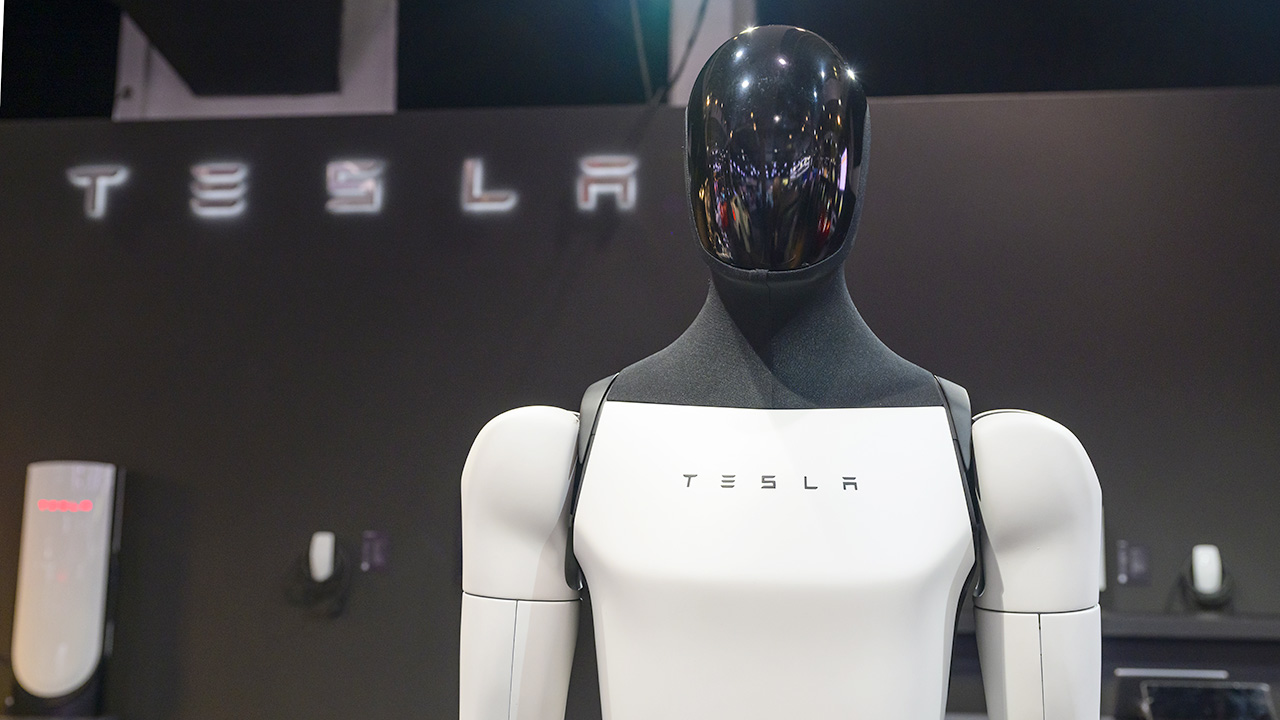
Elon Musk says Tesla Optimus robots for public sale by end of 2027 | Fox Business
Tesla’s Optimus humanoid — sleek, capable, and already being tested inside Tesla factories.
Is It Really Real in 2026? (Spoiler: Absolutely)
I double-checked everything because it still blows my mind. Here’s what’s actually happening right now:
- Tesla Optimus: Elon Musk’s team has Gen 2 versions doing real factory work — sorting parts, folding shirts, even gentle tasks like handling eggs without breaking them. They plan wider rollout this year, with public sales possibly by late 2027.
- Figure AI robots: Backed by OpenAI and others, these are already in BMW factories doing assembly-line tasks. Their latest models (Figure 03) are getting smarter every month, with plans for home testing soon.
- Boston Dynamics Electric Atlas: The new all-electric version just stole the show at CES 2026. It’s stronger, more agile, and already booked for deployment at Hyundai’s plants this year. No more hydraulics — it’s ready for real industrial jobs.
- 1X NEO: This one feels personal. Pre-orders are open for home use, and early units are designed to help with daily chores or assist elderly people. Imagine a gentle robot companion that never gets tired.
- Others like Unitree G1, Agility Robotics, and Chinese models (XPENG Iron, Robotera) are hitting the market too — some you can even buy or lease in 2026.
These aren’t Hollywood props. They’re walking, talking (well, responding), and working in the real world today. So yes — AI on humanoids is very, very real.

Boston Dynamics unveils production-ready version of Atlas robot at CES 2026
Boston Dynamics’ new Electric Atlas — built for heavy factory work and already heading into production.
What Are They Actually Being Used For Right Now?
The uses are exploding across two big areas:
- Industry & Workplaces
- Factories and warehouses: lifting heavy boxes, assembling cars, sorting packages, cleaning up — 24/7 without breaks or injuries.
- Dangerous jobs: disaster response, mining, chemical plants — places we don’t want to risk human lives.
- Logistics: companies like Hyundai and Ford are already testing them for material handling and order fulfillment.
- Home & Everyday Life
- Household help: folding laundry, cooking simple meals, tidying up.
- Elderly care: reminding people to take medicine, helping with mobility, providing companionship.
- Education and research: universities and labs use them to study human movement or test new AI ideas.
The cool part? Because they have human-like bodies, they can use the same tools, doors, and spaces we already have — no expensive factory redesigns needed.
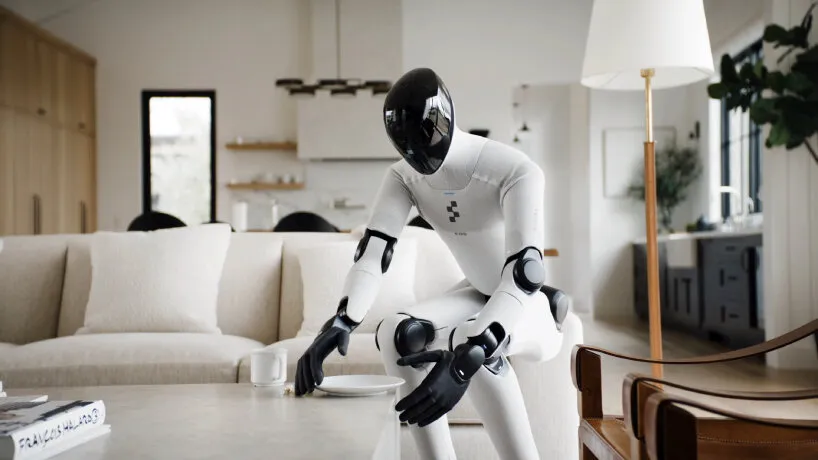
Figure 03: A practical leap toward general-purpose humanoid robots
Figure AI robot helping in a home setting — the future of household assistance?
The Big Advantages – Why This Feels Exciting
From my positive-angle lens, here’s what gets me genuinely hopeful:
- Solves real labor shortages: Aging populations and tough working conditions mean factories and care homes are struggling to find people. Humanoids can fill those gaps without burning out.
- Safer and more consistent: They don’t get tired, injured, or distracted. Repetitive strain injuries drop, and dangerous tasks become routine for robots instead of humans.
- 24/7 productivity: One robot can theoretically work three shifts. That means cheaper goods, faster delivery, and more time for humans to do creative, caring, or strategic work.
- Personalized help at home: For seniors or busy families, a gentle AI companion could reduce loneliness and give caregivers a break — huge quality-of-life boost.
- Learning and improving fast: Thanks to AI, these robots get smarter every week through updates and shared data (safely, of course). What starts as basic tasks can evolve into real helpful partners.
Long-term, the cost is expected to drop dramatically — Tesla claims Optimus could eventually cost less than a car. That opens doors for small businesses and regular families.

1X NEO Home Robot | Order Today
1X NEO with an elderly user — designed for compassionate home assistance.
The Honest Disadvantages – We Can’t Ignore These
I always try to keep it real here, so let’s talk straight about the challenges:
- Job displacement fears: If robots take over factory and service roles, what happens to the millions of workers in those fields? Retraining will be essential, but it won’t be easy or instant.
- High upfront costs: Even if prices are coming down, early models are still expensive (tens of thousands to hundreds of thousands). Only big companies or wealthy early adopters can afford them right now.
- Safety and reliability questions: What if the AI makes a mistake while carrying something heavy or helping an elderly person? We need rock-solid testing and “off switches.”
- Ethical and privacy issues: A robot in your home with cameras and microphones? Who controls the data? Could it be hacked? And longer-term — do super-advanced humanoids deserve any rights?
- Energy use and environment: Training and running fleets of AI robots takes serious electricity. We’ll need renewable energy scaling to keep this sustainable.
These aren’t small problems. Companies and governments have to get the rules and support systems right from the start.
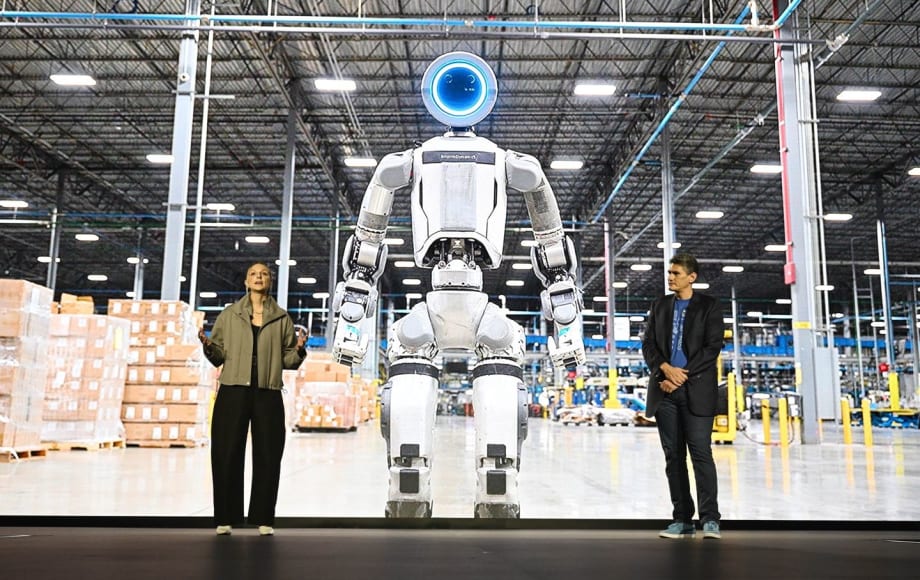
Hyundai Bets Big on Humanoid Robots for Logistics and Industrial Work | Heavy Duty Trucking
Humanoid robot in a real warehouse environment — impressive but raises real workforce questions.
My Positive Angle Takeaway
Here’s the hopeful truth I keep coming back to: technology like AI humanoids doesn’t have to replace humans — it can free us. Imagine a world where boring, dangerous, or exhausting work is handled by robots, and people get more time for family, creativity, learning, and the things that actually make life meaningful.
We’ve seen this pattern before with cars, computers, and smartphones. Each one created new jobs and opportunities we couldn’t even imagine at first. The same can happen here — if we focus on responsible development, worker support programs, ethical guidelines, and making sure the benefits reach everyone, not just the wealthy.
2026 feels like the turning-point year. These robots are stepping out of labs and into real life. The question isn’t “is it real?” anymore — it’s “how do we shape this so it lifts all of us up?”
What do you think? Are you excited about AI humanoids helping at home or in factories, or does it worry you a bit? Have you seen any cool (or concerning) videos lately? Drop your thoughts in the comments — I read every single one and love chatting about this stuff.